From Budget to Actual
Manage
All Costs
Strengthen financial control by monitoring project budgets, revisions, actual costs and cash flow via a single platform.

Strengthen financial control by monitoring project budgets, revisions, actual costs and cash flow via a single platform.
Monitor the project’s current and future financial position by consolidating budget, actual cost, forecast and cash flow data within a common framework.

Create the project budget broken down by work item, cost code, discipline and organisation; track budget revisions and actuals.

Compare actual, committed and forecast costs; analyse budget variances and the project completion cost.

Track planned income and expenditure on a period-by-period basis; forecast your funding requirements by comparing them with actual cash flows..
Rather than explaining the entire platform in a single flow, explore how each module works step by step.
Create the project budget broken down by work item, cost code, discipline and organisation; track budget revisions and actuals.
Define the project budget by cost code, work item, discipline, location and organisational breakdown.
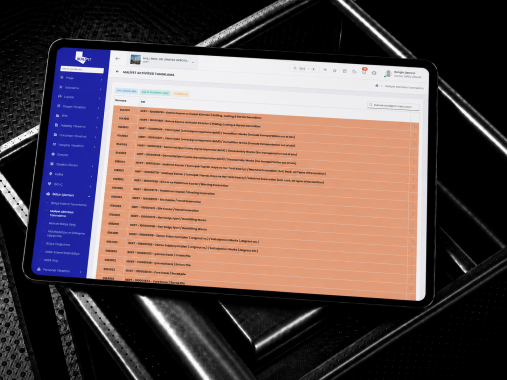
Enter the quantity, unit price, currency and total budget amount for each budget line item.
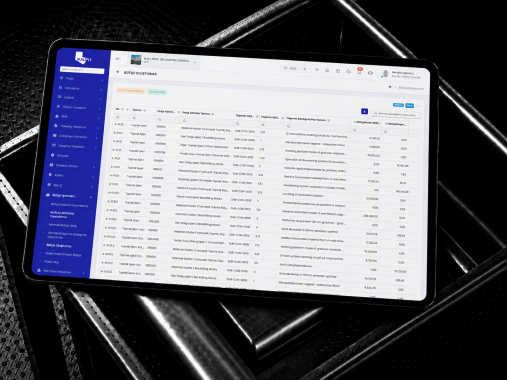
Match budget items with purchase requests, tender packages, contracts and orders.
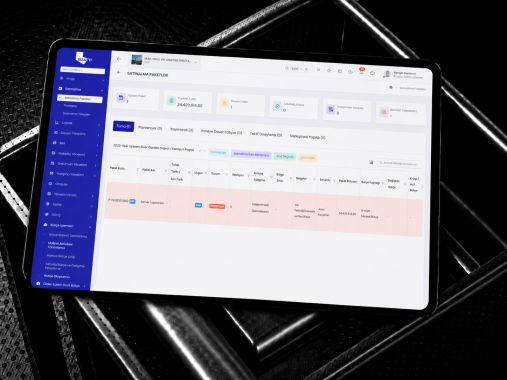
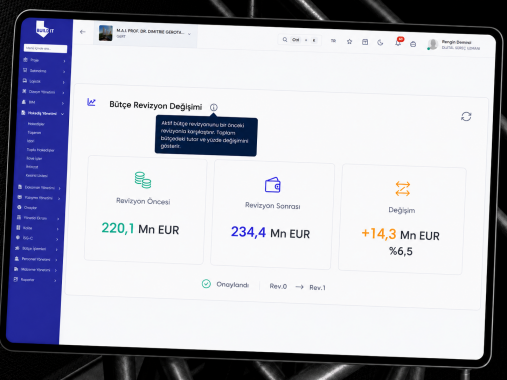
Record any changes to the scope, quantity, price or project terms as a budget revision.
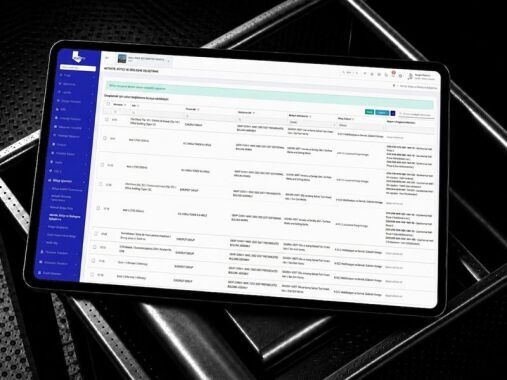
Track the initial budget, current budget, committed amount, actual cost and remaining budget side by side.
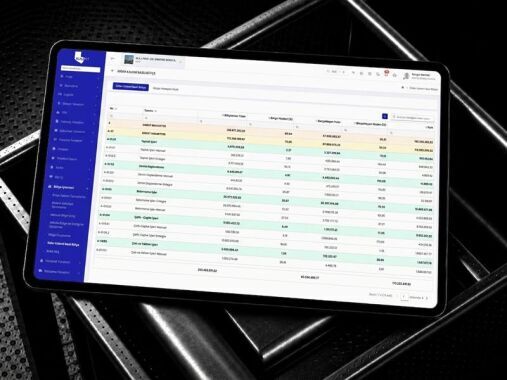
Compare actual, committed and forecast costs; analyse budget variances and the project completion cost.
Track costs arising from progress payments, invoices, purchases, staff, equipment and orders by linking them to the relevant budget items, alongside existing liabilities.
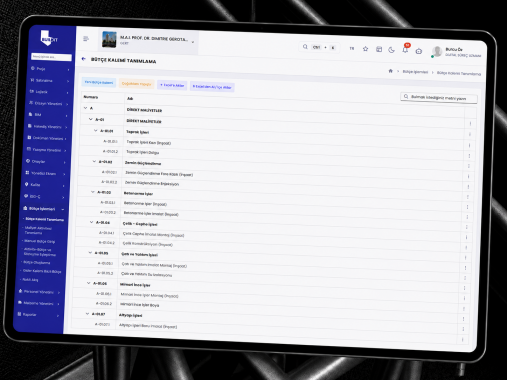
Identify areas of increase and savings by comparing actual and committed costs against the current budget.
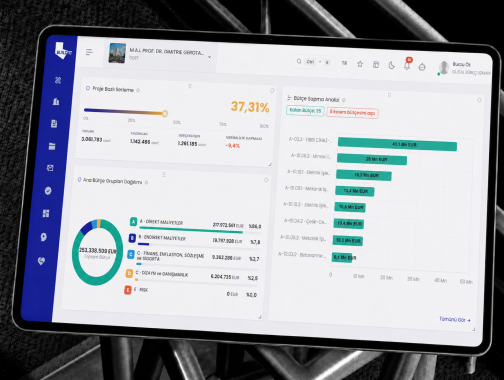
Calculate the remaining cost for work in progress and combine this with the actual costs to arrive at the project’s estimated completion cost.
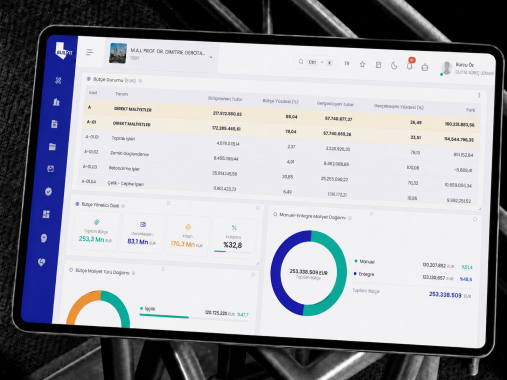
Report to management any work items at risk of exceeding the budget, cost increases and critical financial deviations.
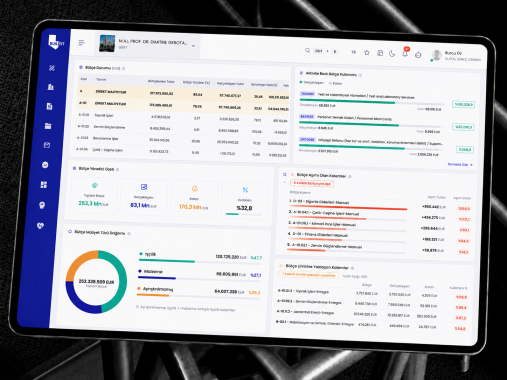
Track planned income and expenditure on a period-by-period basis; forecast your funding requirements by comparing them with actual cash flows.
Plan employer’s progress payments, collections, payments to subcontractors and other project expenses on a periodic basis, in accordance with due dates and payment terms.
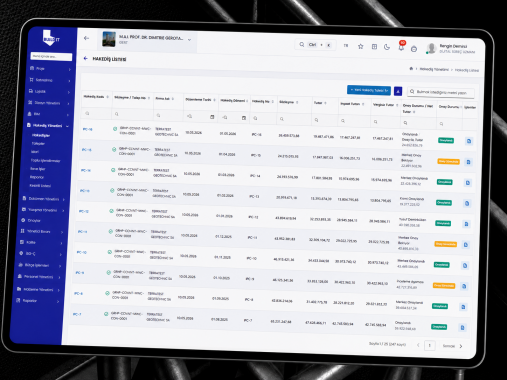
Compare planned income and expenditure with actual payment and collection data on a period-by-period basis.
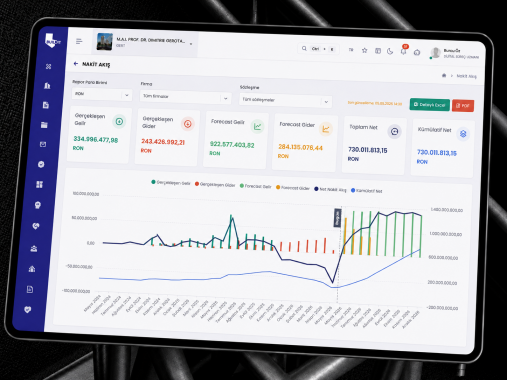
Plan your financing requirements by identifying periods when a cash shortfall or surplus is expected.
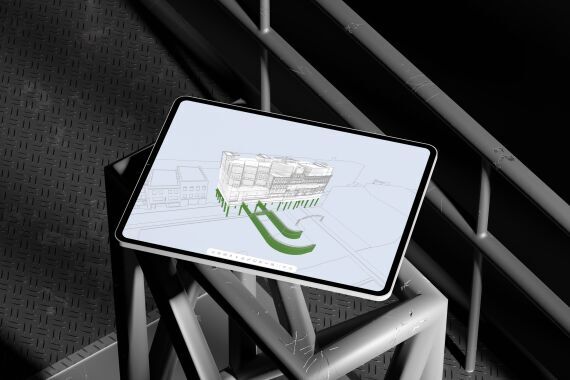
Regularly update cash flow forecasts in line with project progress, budget revisions and changes to payments.
Integrate your design processes with BUILD IT’s other solution areas; manage project data seamlessly from design through to site.